
We are excited to announce that Mood Record is now live in Fito. With this new feature, you can quickly record how you feel, track emotional patterns over time, and better understand what is influencing your mood day to day. Instead of trying to remember how your week felt in hindsight, Mood Record helps you build a clear, visual history you can actually learn from.
Mental wellness is often shaped by patterns, not isolated moments. That is why Mood Record is designed to do more than let you log a feeling. It helps you connect your emotions with possible causes, review them in a calendar view, and revisit your emotional trends through widgets on your home screen. The result is a mood tracking experience that feels simple enough for daily use, but powerful enough to reveal real insights.
Track 12 Different Emotions in One Simple Mood Record
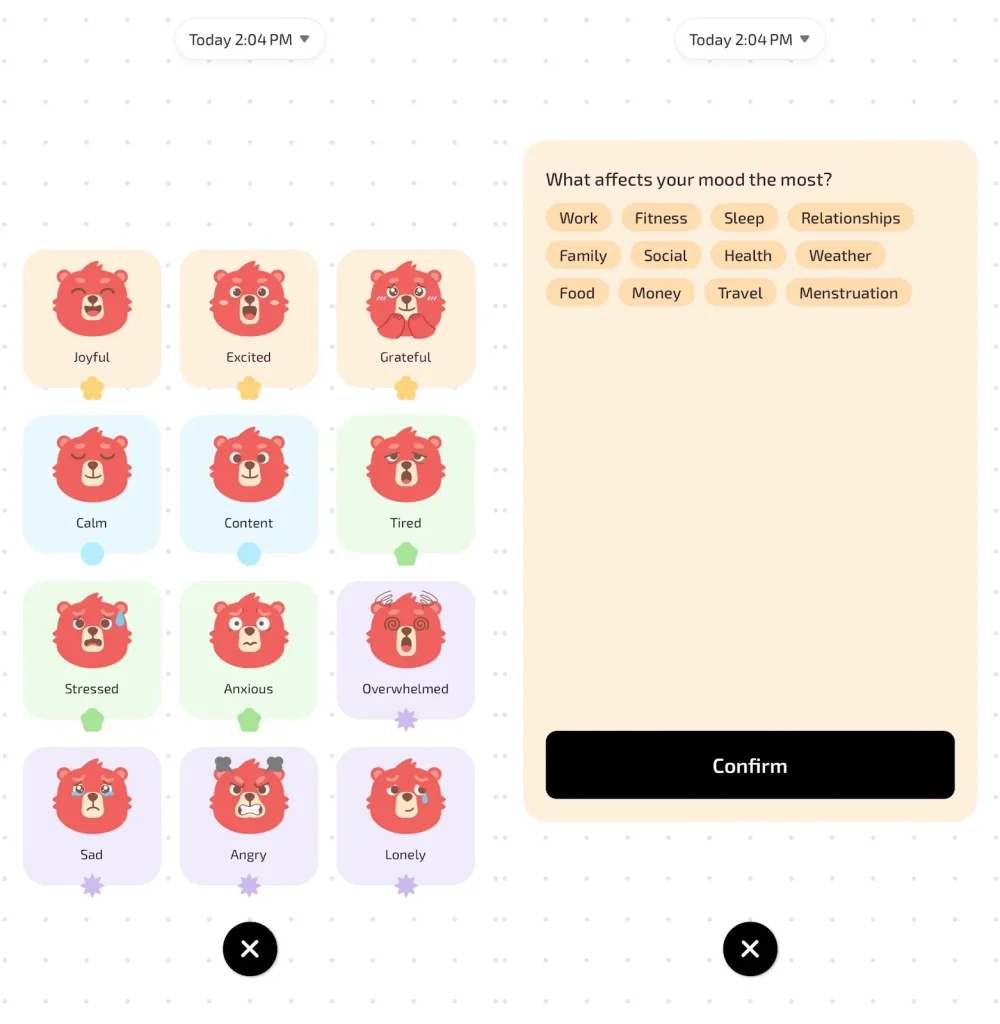
With Mood Record, you can log 12 different emotions so your entries feel more accurate and expressive. These include Joyful, Excited, Grateful, Calm, Content, Tired, Stressed, Anxious, Overwhelmed, Sad, Angry, and Lonely. This range makes it easier to reflect your real emotional state instead of reducing everything to simply good or bad.
That matters because emotional awareness starts with naming what you feel. When you can describe your mood more precisely, it becomes easier to notice what is changing, what is improving, and what might need more care. Over time, this gives you a much richer picture of your mental and emotional well-being.
Log What Affected Your Mood
A mood tracker becomes far more useful when it also captures why you may be feeling that way. That is why Mood Record lets you tag the reasons connected to your mood entry. You can log factors such as work, fitness, sleep, relationships, family, social life, health, weather, food, money, travel, and menstruation.
This makes Mood Record more than a daily mood journal. It becomes a practical tool for self-understanding. You may start to notice that poor sleep often leads to feeling anxious, that money stress appears before overwhelmed days, or that social time often increases feelings of calm or contentment. These small connections are easy to miss in daily life, but much easier to spot when your records are structured and visible.
Review Mood History in Calendar View
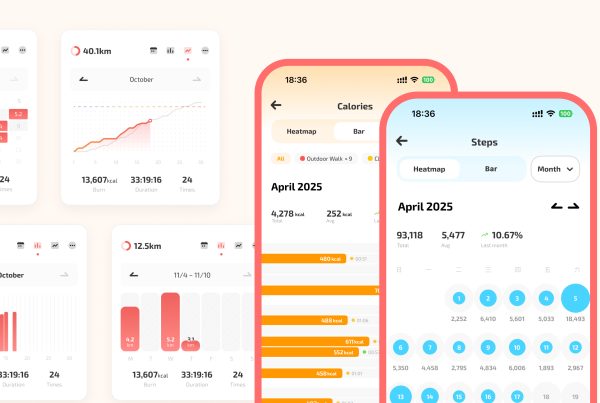
One of the most helpful parts of the new Mood Record feature is the calendar view. Instead of looking at isolated entries one by one, you can review your emotional history across days and weeks in a clear visual format. This helps you see trends that would otherwise be easy to overlook.
For example, you may notice recurring stress on weekdays, improved mood after workouts, or low-energy periods that align with disrupted sleep. A good mood tracker should help you see patterns, not just store logs. Calendar view makes those patterns easier to understand at a glance.
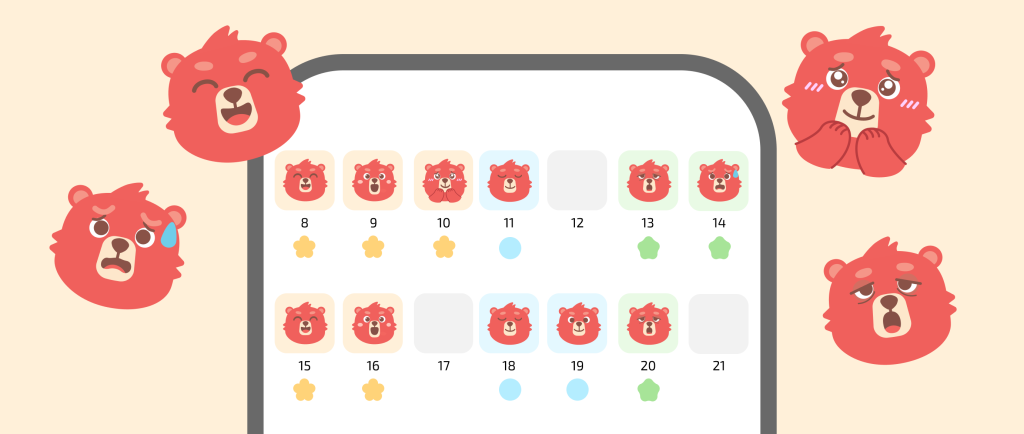
Use Mood Widgets to Reflect More Often
Mood Record also works with widgets like duolingo, making it easier to revisit your emotional trends without opening the app every time. With mood widgets on your home screen, your reflection practice becomes more visible and more consistent. You can review your recent emotional state, remember to log new moods, and stay more connected to how your days are actually feeling.
This is especially useful if you want a mental wellness habit that feels light and sustainable. A widget lowers friction. It gives you a gentle cue to check in with yourself and makes emotional self-awareness part of your routine instead of something you only remember when things feel difficult.
Why a Mood Tracking App Can Be So Helpful
Many people want to understand their emotions better, but memory is unreliable. We tend to remember the most intense moments and miss the broader pattern. A mood tracking app helps solve that by giving your feelings a place to live outside your head. When your moods, triggers, and trends are recorded over time, it becomes much easier to reflect clearly.
That is what makes Mood Record valuable. It helps transform abstract emotions into something visible and reviewable. You do not have to guess whether this has been a stressful month, whether your sleep has been affecting your mood, or whether certain relationship patterns are weighing on you. You can look back and see it.
Who Mood Record Is For
- People who want to track their mood in a more structured and insightful way.
- Anyone trying to understand how sleep, work, money, or relationships affect emotional well-being.
- Users who want a mood calendar they can review over time.
- People looking for mood widgets that make reflection easier and more consistent.
- Anyone building a more intentional self-care or mental wellness routine.
If you have been searching for the best mood tracker app, the most useful tool is one you will actually keep using. Mood Record is designed to feel lightweight enough for daily use while still giving you meaningful patterns to reflect on later.
Try Mood Record in Fito
If you want a clearer way to understand your emotions, spot patterns, and reflect on what shapes your mood, Mood Record is a simple place to start. Open Fito, record how you feel, add the reasons behind it, and use calendar view and widgets to build a more thoughtful picture of your emotional life over time.